
The Mile High City is no stranger to bold decisions, but this one has sparked a conversation that stretches far beyond football strategy or roster construction.
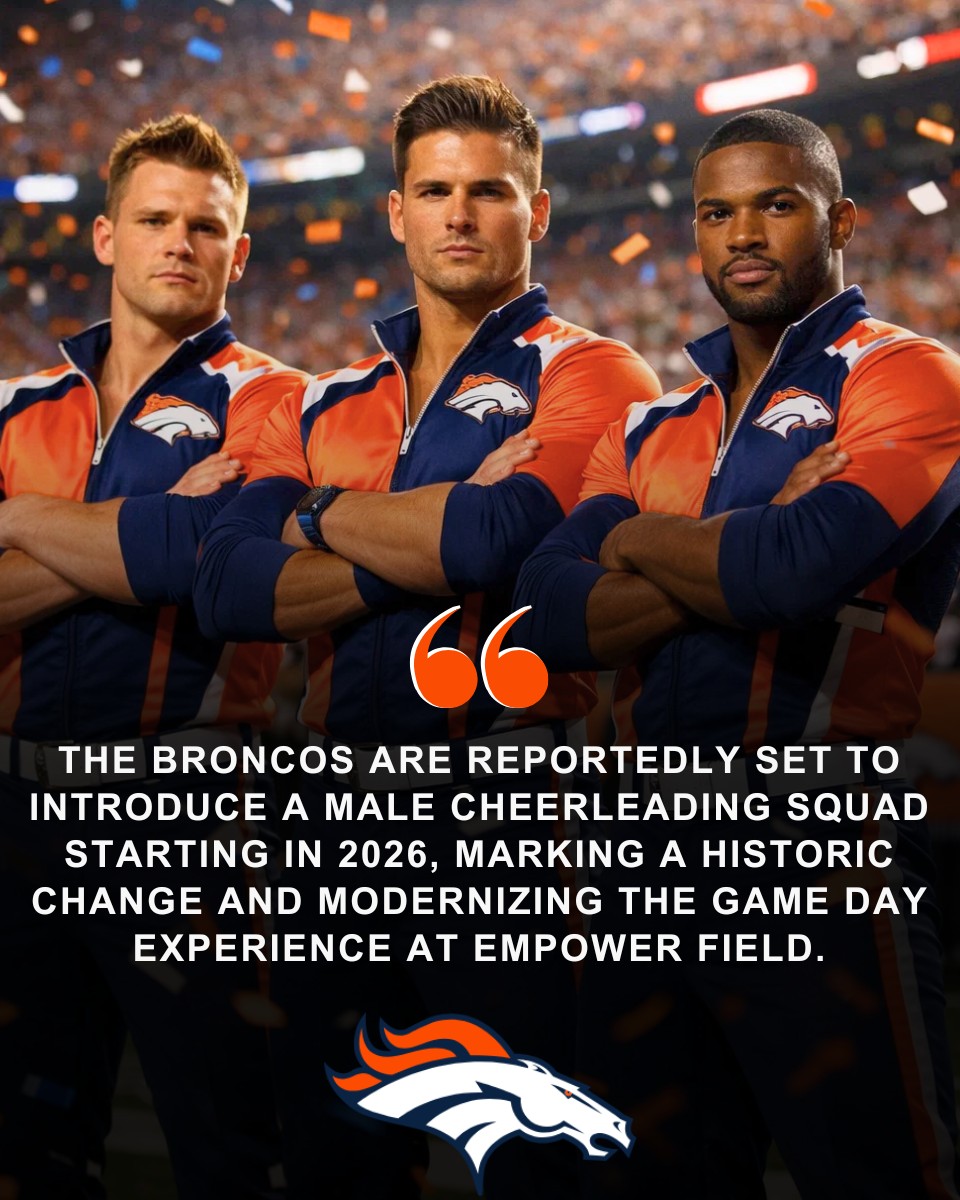
According to multiple reports, the Denver Broncos are expected to introduce a male cheerleading squad beginning in the 2026 season, a move that represents one of the most visible cultural shifts in franchise history.
For a team built on tradition, toughness, and a fiercely loyal fan base, even subtle changes can carry symbolic weight.
This one is anything but subtle.
Empower Field at Mile High has long been defined by ritual.
The thunderous sea of orange.
The galloping mascot.
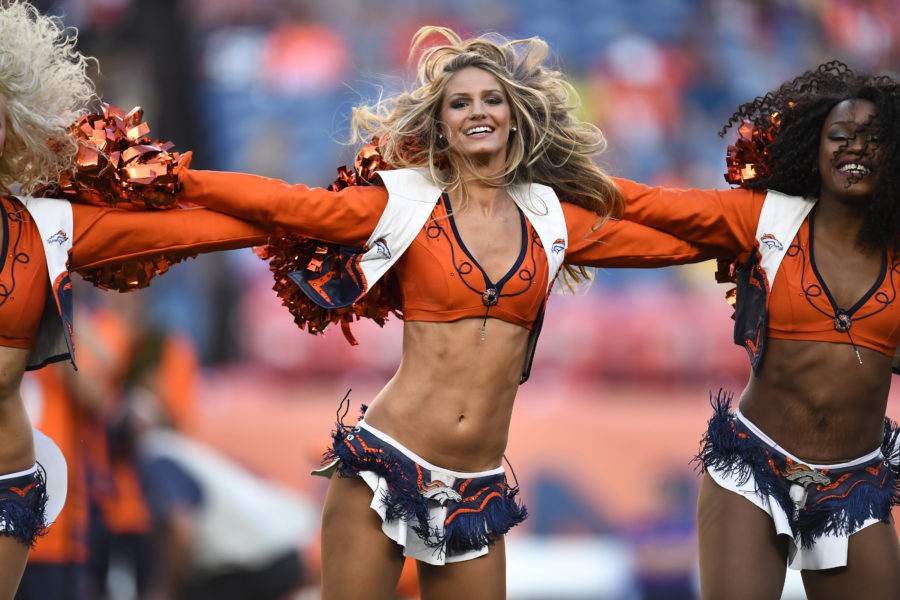
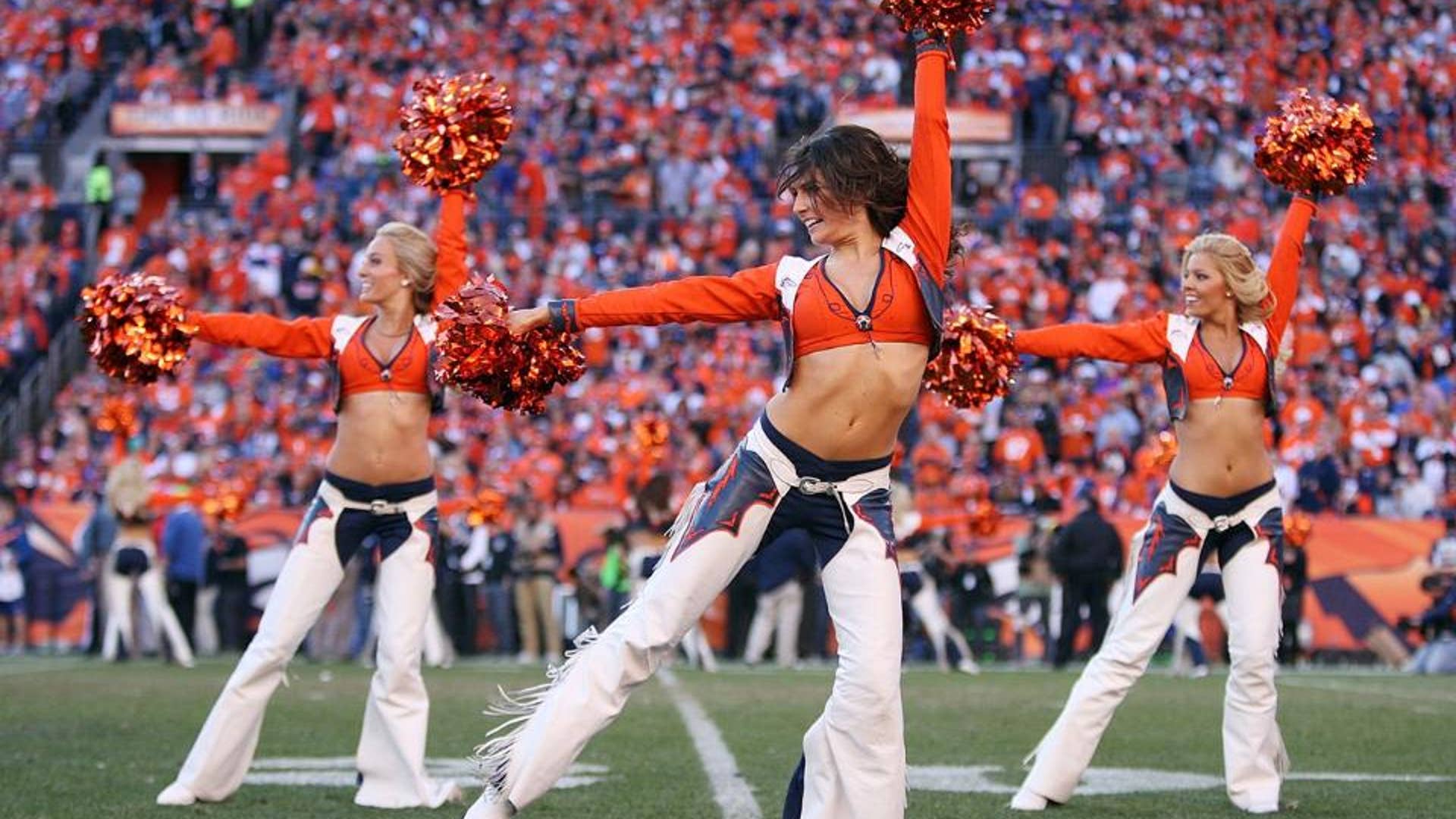
The coordinated energy of the cheer squad igniting the crowd before kickoff.
These elements are stitched into the identity of Broncos Country, forming a game-day tapestry that generations of fans have come to recognize instantly.
Introducing male cheerleaders does not erase that tapestry, but it undeniably alters its visual pattern.
Team insiders reportedly frame the decision as part of a broader modernization effort designed to reflect contemporary NFL culture and enhance inclusivity across all aspects of the organization.
In recent years, several franchises have quietly integrated co-ed cheer teams, emphasizing athletic performance, strength-based choreography, and expanded representation.
The Broncos now appear ready to join that evolution.
Supporters of the move argue that cheerleading is, at its core, an athletic discipline.

It demands precision.
It requires stamina.
It showcases balance, coordination, and physical power.
They point out that male cheerleaders have long been a staple in collegiate athletics, where they often serve as primary bases for stunts and lifts.
From that perspective, Denver's decision feels less like disruption and more like overdue alignment with broader sporting norms.
Others, however, see the development differently.
For some fans, tradition at Mile High is sacred, and any alteration to its presentation triggers instinctive resistance.
The Broncos are not merely a football team in Colorado; they are a cultural institution.
Every symbol, every sideline element, every pregame ritual carries emotional significance.
Change in such spaces is rarely neutral.
Social media has already amplified both sides of the conversation.
Hashtags celebrating inclusivity trend alongside posts questioning whether the shift is necessary.
Debate panels across sports networks dissect the move not just as a franchise decision, but as a reflection of evolving professional sports identity.
The NFL itself has gradually embraced broader representation initiatives over the past decade.

From hiring diversity in coaching pipelines to expanding community outreach efforts, the league has consistently signaled a willingness to adapt.
Cheer squads have increasingly been included in that conversation, serving as highly visible ambassadors of team culture.
In that context, Denver's reported addition appears less isolated and more strategic.
The Broncos are positioning themselves as a franchise that honors tradition while acknowledging cultural progression.
Leadership reportedly believes that expanding the cheer team enhances the overall fan experience rather than diminishing it.
The emphasis remains on athletic excellence and entertainment value, not on symbolic gesture alone.
Still, perception matters as much as intent.
For many longtime supporters, Mile High tradition evokes images of grit, altitude, and cold-weather resilience.
It represents decades of iconic moments, from Super Bowl triumphs to dramatic fourth-quarter comebacks.
Integrating a male cheer squad introduces a new visual dynamic that may initially feel unfamiliar.
But sports history suggests that unfamiliar elements often settle into normalcy over time.
The introduction of night games once sparked debate.
So did expanded video boards and digital enhancements.
Today, those features are simply part of the experience.
The Broncos' front office appears aware that rollout strategy will determine reception.
Clear communication emphasizing respect for existing squad members and highlighting the athletic credentials of new performers will be essential.
Execution on game day will matter equally.
If performances feel seamless, energetic, and professional, skepticism may fade quickly.
If integration feels forced or poorly framed, resistance could linger longer.
Inside the locker room, the shift is unlikely to create distraction.
Players focus on preparation, scheme execution, and competitive outcomes.
Cheer squads exist to amplify crowd energy, and the composition of that squad rarely affects performance between the lines.
Yet outside the locker room, the symbolism carries weight.
Broncos Country is known for passionate loyalty, and passionate loyalty often resists rapid change.
Ownership and leadership appear to believe that evolution does not equate to abandonment of heritage.
Rather, they see it as strengthening the franchise's ability to connect with future generations of fans.

Younger audiences increasingly expect representation across entertainment platforms, including professional sports.
Aligning with those expectations may ensure long-term cultural relevance.
Critics argue that football should remain insulated from broader social currents.
Supporters counter that football has never existed in isolation from culture.
The league reflects society as much as it influences it.
The Broncos' anticipated move illustrates that tension vividly.
It is not simply about choreography on the sideline.
It is about identity.
It is about who feels represented in the stadium experience.
It is about whether tradition can expand without fracturing.
Other franchises will monitor Denver's rollout closely.
The Broncos occupy a visible place in the league's landscape, often serving as a benchmark for Western Conference fan engagement.
If the integration is embraced, it may accelerate similar shifts in other historically traditional markets.
If backlash dominates headlines, caution could ripple outward.
The 2026 season now carries additional intrigue beyond quarterback development and playoff aspirations.

Opening day at Empower Field may mark not only a new chapter on the field, but a visible evolution off it.
For many fans, the first co-ed performance will symbolize the franchise's willingness to adapt while honoring its past.
For others, it may serve as a test of how tradition withstands modernization.
Ultimately, the Broncos remain defined by their pursuit of excellence.
Championship banners, legendary players, and unforgettable moments shape the core identity of the franchise.
Sideline elements enhance atmosphere, but they do not determine legacy.
The roar of Broncos Country will still echo across the stadium.
The altitude will still challenge visiting teams.
The orange sea will still rise to its feet on third down.
What changes is the composition of the performance team energizing those moments.
And that change, whether celebrated or debated, underscores a broader truth about professional sports in 2026.
Tradition and evolution are no longer opposing forces.
They are intertwined realities that franchises must navigate carefully.
The Denver Broncos appear ready to take that step, aware of both the enthusiasm and the scrutiny that will follow.
As the conversation continues to unfold, one thing remains certain.
Mile High tradition is not static.
It grows.
It adapts.
And in 2026, it will look slightly different while carrying the same competitive heartbeat that has defined Broncos Country for generations.