
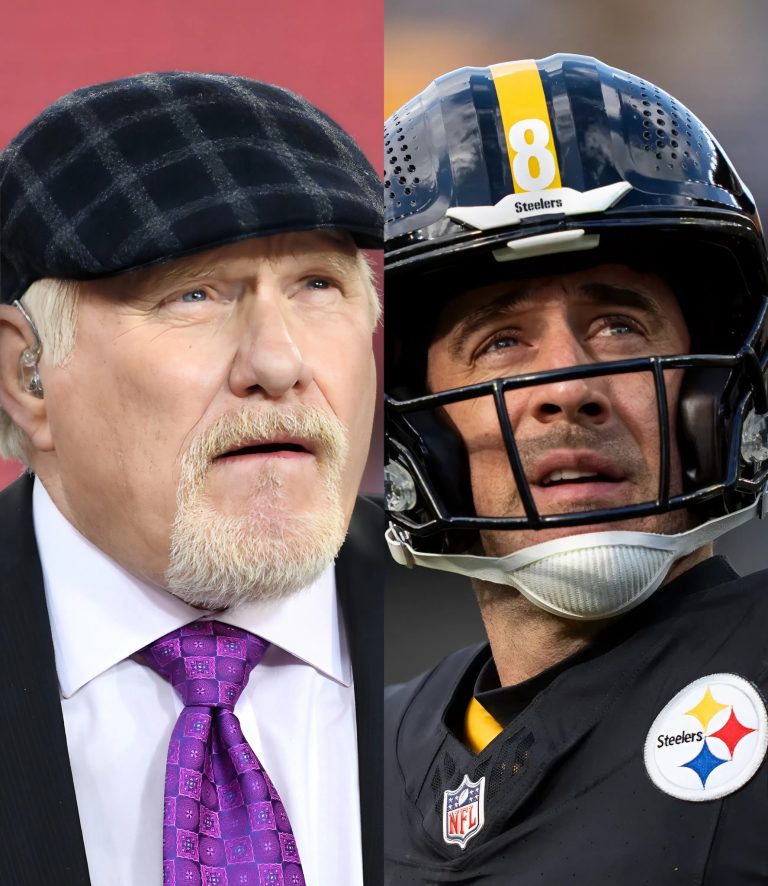
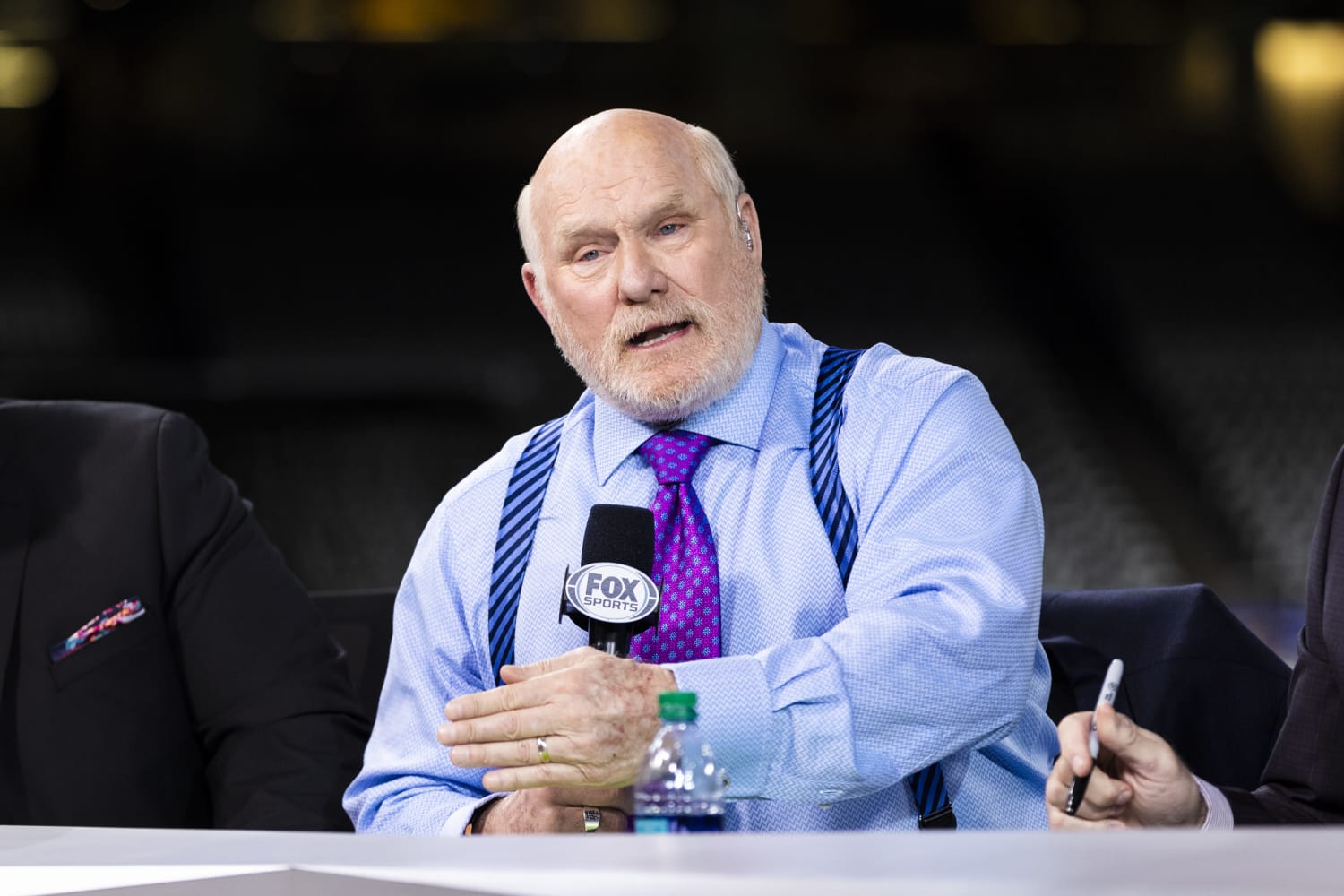
Pittsburgh did not expect a quiet afternoon radio segment to detonate into one of the most polarizing quarterback debates of the year, but that is exactly what happened when Terry Bradshaw opened his mouth on 103.7 The Buzz.
The Hall of Famer, never shy with an opinion, dropped what he described as inside information about a possible Aaron Rodgers return linked to Mike McCarthy, and within minutes the city was split down the middle.
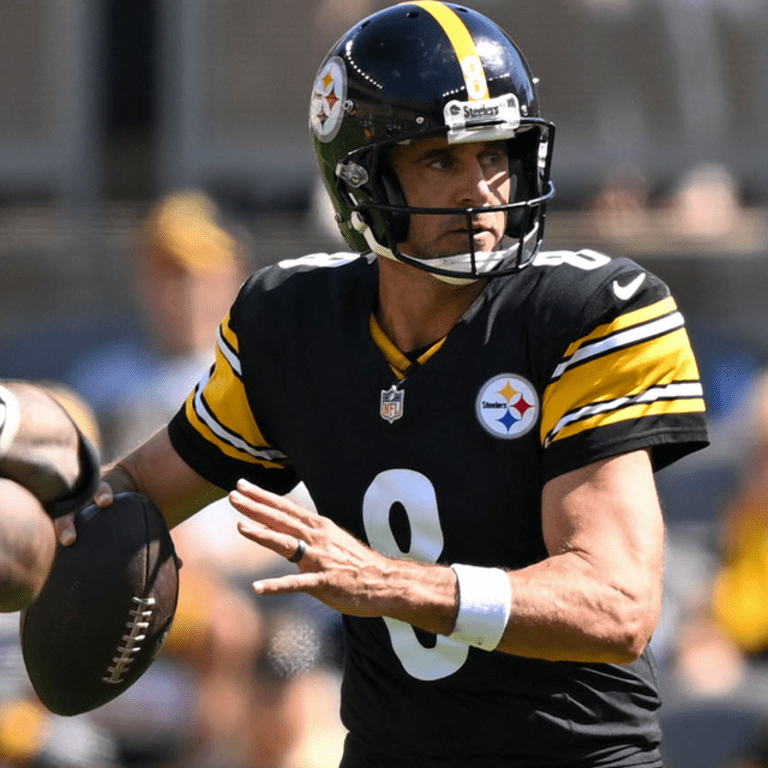
Bradshaw claimed he had heard that around the time the McCarthy news was circulating, Rodgers told him directly that if Mike wanted him back for one year, he would return and join him.
Those words alone were enough to ignite speculation, because in Pittsburgh, quarterback conversations are not just football talk, they are civic identity, emotional history, and future hope colliding at once.
Rodgers is not a developmental prospect or a bridge experiment, but a former MVP whose résumé commands attention even when the calendar and injury history complicate the narrative.
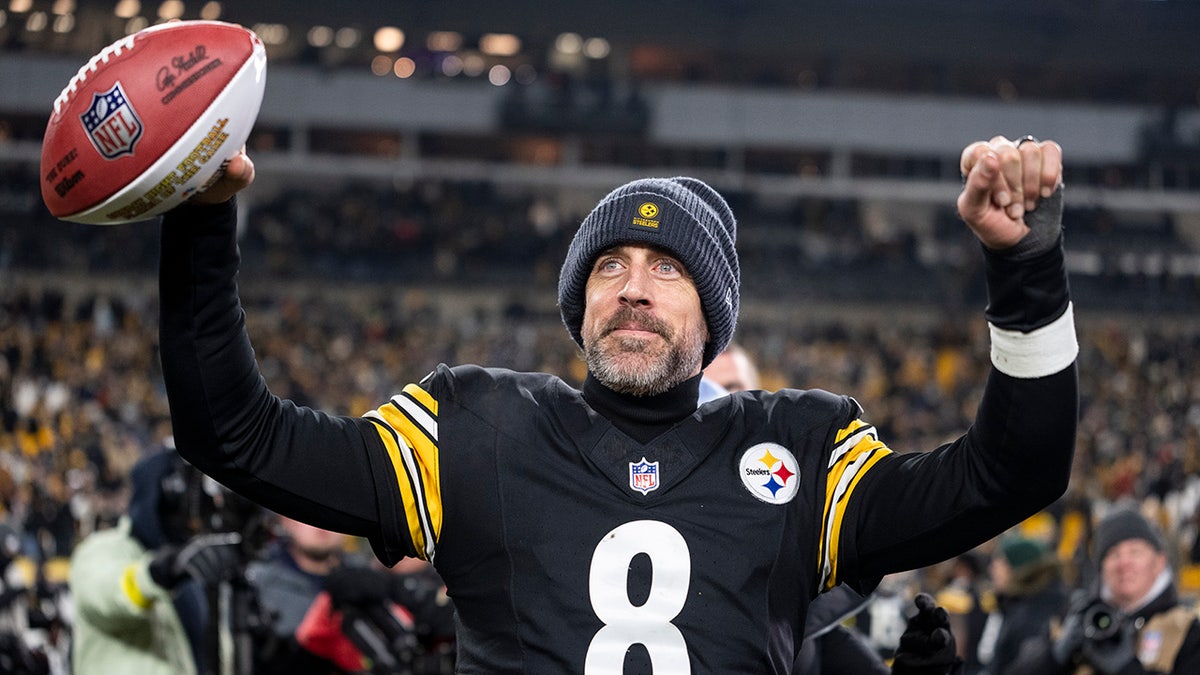
Bradshaw did not hedge his enthusiasm either, saying flatly that perhaps it is time to bring Aaron back, arguing that familiarity with the offense and veteran composure could stabilize everything instantly.
The phrase "bring him back" echoed louder than any stat sheet, because Steelers fans understand that quarterback continuity often determines whether January football feels realistic or theoretical.
Yet the suggestion also reopened uncomfortable debates about age, durability, locker-room chemistry, and whether nostalgia sometimes disguises risk as comfort.
Rodgers returning for one final year under McCarthy would not simply be a roster move, it would be a statement about urgency, ambition, and belief that a narrow championship window still exists.

Some fans see the logic immediately, pointing out that a quarterback who already understands the system can shorten adaptation time and maximize limited seasons left at elite level.
Others caution that recent seasons have shown how fragile quarterback plans can become when expectations outrun physical reality.
Bradshaw's words carried extra weight because he understands Pittsburgh's quarterback legacy better than almost anyone alive, having defined an era himself before handing the torch to new generations.
When someone with that pedigree hints at internal momentum, it resonates differently than anonymous league chatter or speculative panel debates.

Within minutes of the broadcast, social media feeds were flooded with graphics, mock lineups, and heated arguments about whether this move represents genius or desperation.
Steelers Nation thrives on passion, and few topics generate more heat than the quarterback position, especially when playoff frustration still lingers in collective memory.
Rodgers joining forces again with McCarthy would represent a reunion layered with history, tension, success, and unfinished narratives that stretch beyond a single season.
Analysts quickly dissected how the offensive line, receiving corps, and defensive stability would need to align perfectly for such a move to justify the risk.
Supporters insist that even a one-year run with Rodgers at the helm could transform the psychological ceiling of the roster, replacing uncertainty with swagger.
Critics counter that banking on a late-career surge invites disappointment, particularly in a division that punishes hesitation and exposes weakness quickly.
The financial implications alone would demand precision, as cap space, roster construction, and depth all factor into whether this becomes a calculated push or a reckless gamble.
Bradshaw's confidence suggests he believes the gamble could be worth it, emphasizing that knowledge of the offense reduces learning curves and allows leadership to focus on execution rather than installation.
Still, football rarely rewards sentiment, and Pittsburgh has historically prided itself on balancing loyalty with ruthless evaluation.
The locker room dynamic would also become a storyline, as veteran presence must align with existing leadership structures to avoid fractures beneath the surface.
Rodgers brings experience, intelligence, and composure, but he also carries expectations that would amplify every incomplete pass and magnify every misstep.
Steelers fans are not indifferent observers, they are deeply invested stakeholders whose faith can elevate momentum or intensify scrutiny depending on performance.
If the reunion materializes, preseason optimism would surge instantly, yet patience would likely shrink, as anything less than contention would feel like squandered opportunity.
Bradshaw's comments did not confirm a contract, but they did confirm that conversations are alive, and in the NFL, possibility alone can reshape offseason strategy.
The question now hovering over Pittsburgh is whether leadership prioritizes stability or swings boldly for a final spark under familiar guidance.
What began as a radio remark has evolved into a citywide referendum on risk, redemption, and whether experience can still outrun time.
If Rodgers truly signaled willingness, the ball now rests squarely in Pittsburgh's court, and history suggests the franchise does not shy away from defining decisions.
For now, one truth dominates the conversation: a single sentence from Terry Bradshaw has turned speculation into expectation, and Steelers Nation is bracing for whatever comes next.